


While older generations grew up climbing trees and playing ball in the streets, the same cannot be said for children in 2026. Safety has become a major concern for families, and while it is well intentioned, it comes at a cost. That cost is a childhood spent largely indoors, with screens introduced from a very young age. Tablets, phones, smart TVs and learning apps are now part of everyday life. While technology certainly has its place, both research and real world experience continue to show that physical play for kids is more important than ever.
Parents are increasingly noticing the effects of too much screen time on their children’s focus, behaviour, posture and emotional development. In fact, Australia has just recently banned social media access for children under 16! Of course the solution to the global screen time issue is not about completely banning screens, but about rebalancing childhood by intentionally making space for active, structured and purposeful movement that allows children to grow, develop and thrive.
The Shift We’re Seeing in Childhood Development
Children today are growing up in a world where sitting still has quietly replaced running, climbing and exploring. Screen based entertainment so often takes the place of outdoor play, imaginative movement and meaningful social interaction. Yet it is through physical play that children truly thrive. Movement supports healthy brain development, helps children regulate their emotions, builds social confidence and strengthens their muscles, bones and coordination. When kids move, they don’t just burn energy, their brains light up, connections are formed and confidence grows in ways that screens can never replicate.
Physical Play Builds the Brain, Not Just the Body
Active movement plays a powerful role in how a child’s brain develops. Simple actions like climbing, balancing, jumping and rolling help create vital neural connections that support learning, problem solving and memory. This is why gymnastics for kids and other movement based programmes are so effective. They gently challenge the body while encouraging focus, listening and confidence, all within a fun and supportive environment. Children who take part in regular physical play often concentrate better at school, manage their emotions more calmly, believe in their abilities and develop a strong sense of resilience that carries into everyday life.

Why Screen Time Can’t Replace Real Movement
Educational apps and videos may teach letters, numbers or concepts, but they can never teach a child how their body moves through space. Skills like balance, coordination and body awareness are learned through real movement, not swiping a screen. When screen time becomes excessive, many children begin to show delayed motor development, weakened posture and core strength, shorter attention spans and increased feelings of anxiety or irritability. Physical play offers something screens cannot. It allows children to release energy naturally, regulate their emotions and connect face to face with other children in ways that support healthy emotional and social growth.
Structured Physical Play Makes a Difference
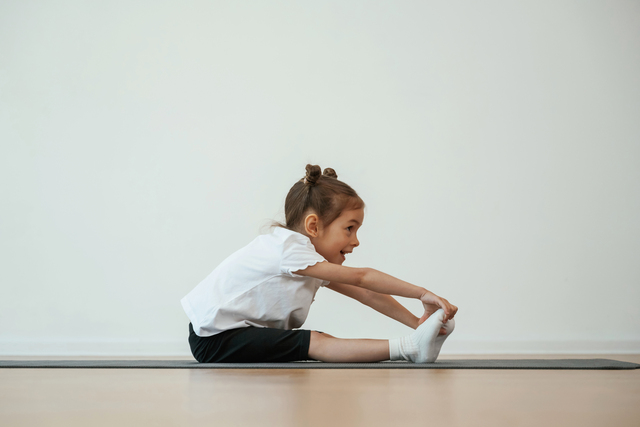
Not all movement has the same impact. Structured physical play provides children with guided, age appropriate challenges in a safe and supportive environment. Programmes such as gymnastics classes, preschool gymnastics and parkour based play help children develop skills progressively while learning to take safe risks. Through these experiences, children build strength, coordination and confidence, while also learning to interact socially and celebrate personal achievement. For toddlers and preschoolers in particular, physical play plays a vital role in school readiness, helping them develop the ability to sit, listen, focus and learn more effectively.
Why 2026 Parents Are Choosing Movement First
Parents in 2026 are more informed and intentional than ever before. Many are actively limiting screen time and making physical activity a non negotiable part of their children’s weekly routines. Movement based activities are no longer viewed as optional extras, but as a foundation for healthy development. By choosing physical play for kids today, parents are laying the groundwork for healthier habits, stronger bodies and minds, and happier, more confident children as they grow.
Final Thoughts
Screens are undeniably part of modern life, but childhood should still be active, playful and rich in movement. Physical play for kids is not just about burning off energy. It is about building capable, confident and resilient humans. When parents prioritise movement through activities like gymnastics and structured play, they give their children tools that extend far beyond childhood and support them for life!

